
Machu Picchu and altitude: is it safe if you have heart problems?
DESCRIPTION
Machu Picchu is located at a lower altitude than Cusco, But a trip through the Andes involves Elevation changes, hikes, and different levels of physical exertion That is worth knowing before traveling. This guide brings together the main aspects you should know. Check with your doctor and coordinate with your travel agency before booking.

GUIDE FOR PLANNING THE TRIP
Before asking you if you can visit Machu Picchu, check out what your entire trip will be like.
Machu Picchu is one of the great reasons to travel to Peru. However, when there is a cardiovascular disease, history of altitude sickness or a reduced tolerance to exertion, Planning needs an additional level of care.
The correct question is not just «Is Machu Picchu safe for me?». It is also worth asking: at what altitude will I sleep? How much will I walk? Which places will I visit before and after? How long will my body have to adapt? And what activities of high mountain are part of the itinerary?
The medical response should be individual. The role of a responsible agency begins afterwards: translating the healthcare professional's instructions into realistic logistics, with times, transfers, and activities tailored to the passenger.
A key fact: Machu Picchu is lower than Cusco
Many travelers imagine that reaching Machu Picchu means ascending even higher in the Andes. In reality, the citadel is located at a considerably lower altitude than the city of Cusco.
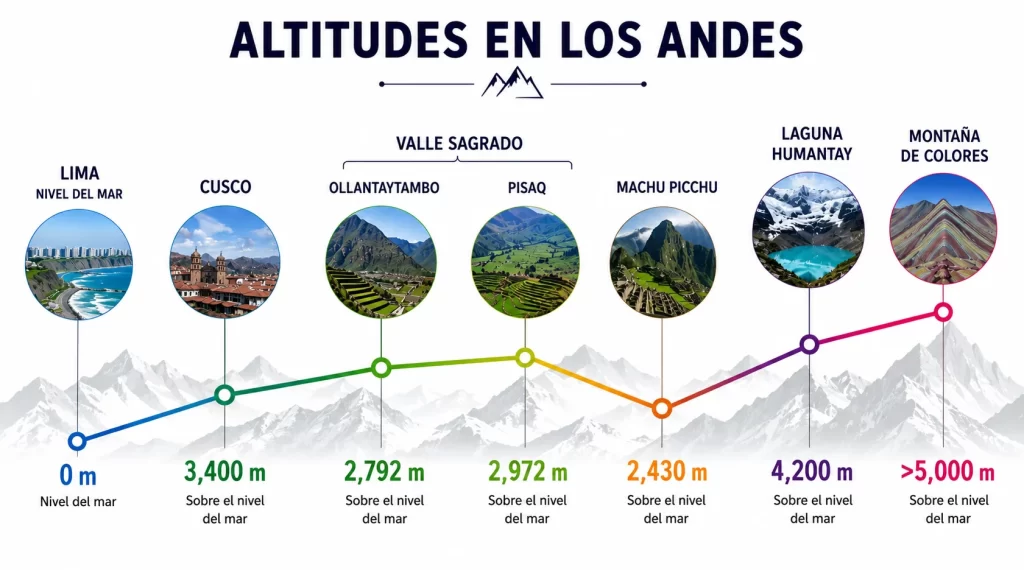
Therefore, focusing solely on Machu Picchu can lead to a false sense of security. The entire itinerary should be analyzed.
What changes in the body when we reach a certain height?
As the altitude increases, the atmospheric pressure decreases. Although the proportion of oxygen in the air does not change, With each breath, fewer oxygen molecules reach the body.. The body responds by increasing ventilation and adjusting cardiovascular work.
In the first few days they may appear headache, fatigue, decreased appetite, nausea, or a feeling of greater effort when walking. The answer is very variable: being in good physical shape does not guarantee that a person will not develop altitude sickness.
For those who have one cardiovascular or pulmonary disease, The CDC advises talking to a healthcare professional familiar with altitude medicine before traveling. The American Heart Association also notes that reduced oxygen availability can adding stress to the cardiovascular system and recommends a preliminary assessment in people with cardiovascular disease.
Key message for the traveler
Having a heart condition does not automatically mean Machu Picchu is off the table. It means the decision should not be based on a general recommendation from the internet or an agency: it should be evaluated individually by the professional who knows your health status.
The medical consultation must include the itinerary, not just the name «Machu Picchu»
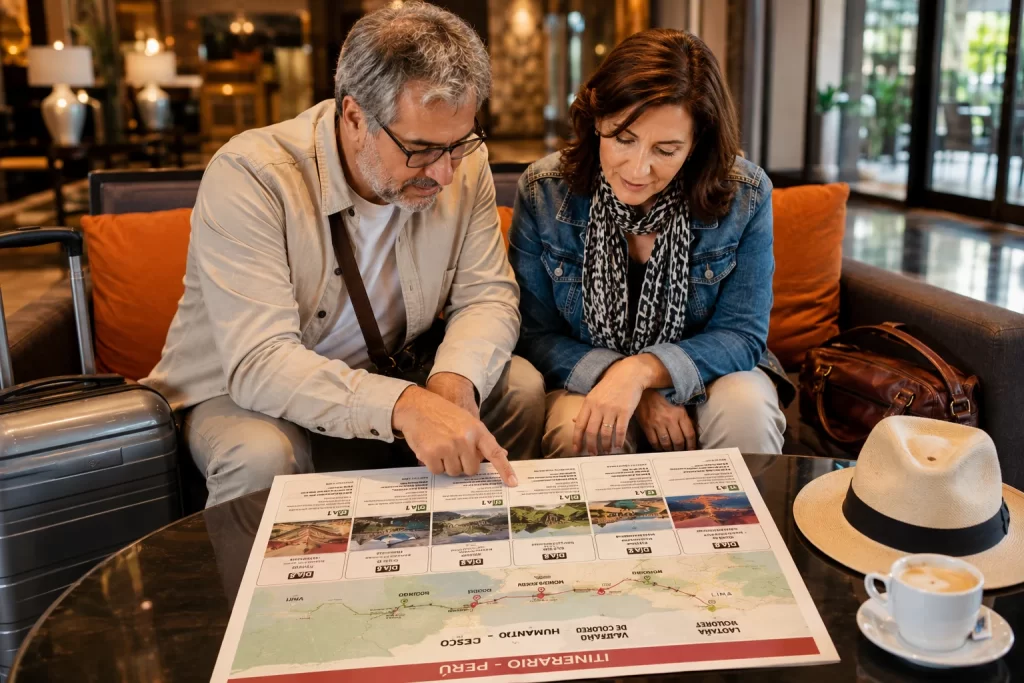
For the assessment to be useful, it is advisable Bringing a summary of the trip to the consultation. Indicates the arrival city, the nights planned in Cusco or the Sacred Valley, the visit to Machu Picchu and any additional hiking.
This is especially important if the program includes Montaña de Colores, Laguna Humantay or other activities that combine altitude with physical effort.
Useful information to take to the consultation
- Approximate altitude of the destinations.
- Number of days in the region.
- Hiking routes and estimated duration.
- High mountain excursions.
- Medications you already use.
- Need for assistance, breaks or additional mobility.
The first day in Cusco: less activities can mean a better trip
One of the most drastic changes in the itinerary usually occurs when flying from Lima to Cusco. The traveler goes from a coastal city to another in a very short time. approximately 3,400 meters of altitude.
The CDC recommends avoid intense exercise and alcohol for the first 48 hours after reaching altitudes above about 2,400 meters, in addition to favoring a gradual ascent when possible.
From the tourism planning perspective, this suggests Do not overload the arrival with long walks or physically demanding excursions. A free afternoon, well-coordinated transfers, and a progressive program can be more valuable than trying to complete several visits on the first day.
Arriving does not mean starting to run.
Rest · Hydrate · Eat in moderation · Observe how the body responds · Avoid intense effort at the beginning.
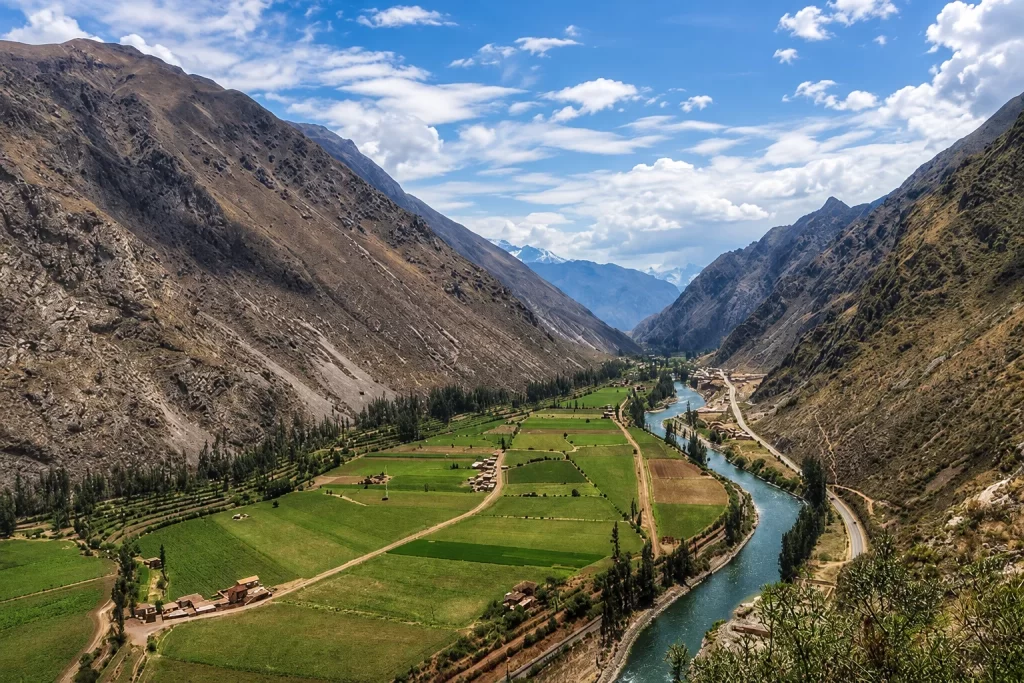
Sacred Valley: a logistical alternative for starting the tour
Landing in Cusco does not require spending the first nights in the city. In certain programs, and provided it is compatible with medical instructions, an evaluation can be performed. Continue towards the Sacred Valley before returning later to Cusco.
This strategy does not prevent or treat altitude sickness. Its value is logistical: it allows structure the journey in a more gradual way Because several locations in the Sacred Valley are located at a lower altitude than Cusco.
An example of a sequence could be: Arriving at Cusco airport → Transfer to the Sacred Valley → quiet activities → Machu Picchu → Return to Cusco.
How much effort does Machu Picchu really require?
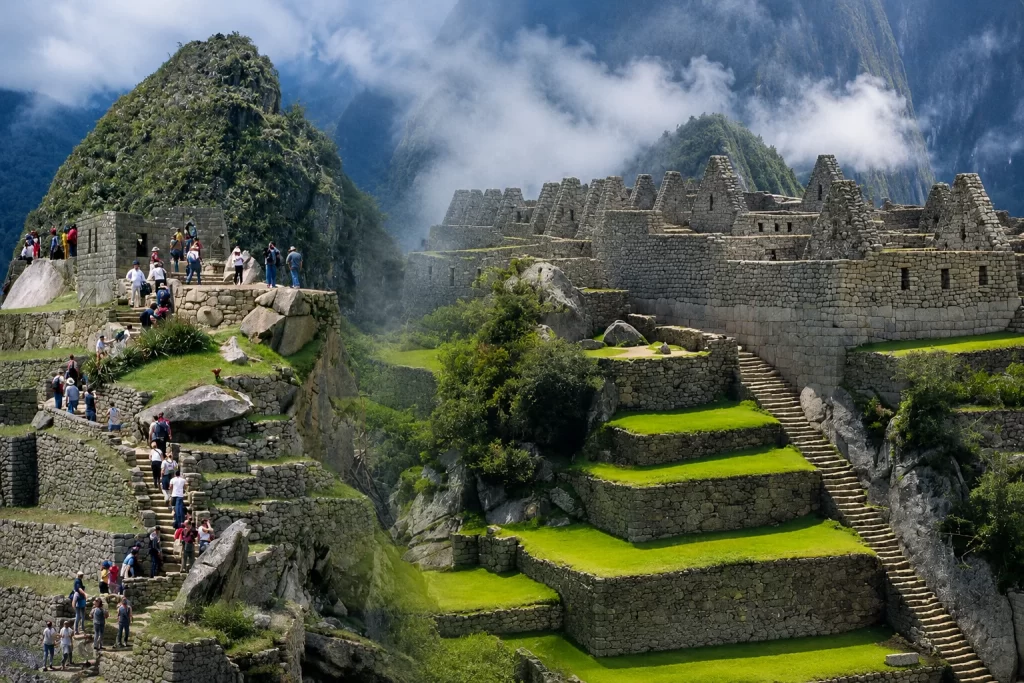
Machu Picchu is not a flat archaeological site. The architecture adapts to the mountain and the circuits include stone stairs, pendants, irregular surfaces and continuous stretches of hiking.
Therefore, in addition to altitude, it is necessary to take into account the usual ability to walk and climb stairs. The available circuit, the time of entry, the group’s pace, and the need for breaks can significantly change the experience.
When the passenger needs to control the effort, it is advisable Communicate this before purchasing tickets and services. The rules and circuits of Machu Picchu may change, and Not all routes offer the same physical demands..
Seven planning decisions that can reduce unnecessary efforts
1. Reserve time to adjust when you arrive: Avoid scheduling strenuous activities during the first few hours. A calm arrival allows the body to begin adapting to the change in altitude.
2. Organize the itinerary in a progressive manner: Start with activities that are less demanding and leave the more demanding hikes or excursions for later days, provided they have been considered appropriate by the doctor.
3. Strategically choosing where to spend the first nights: According to the itinerary and medical recommendations, it can be evaluated Initially spend the night in areas of lower altitude, such as the Sacred Valley, Before continuing towards other destinations.
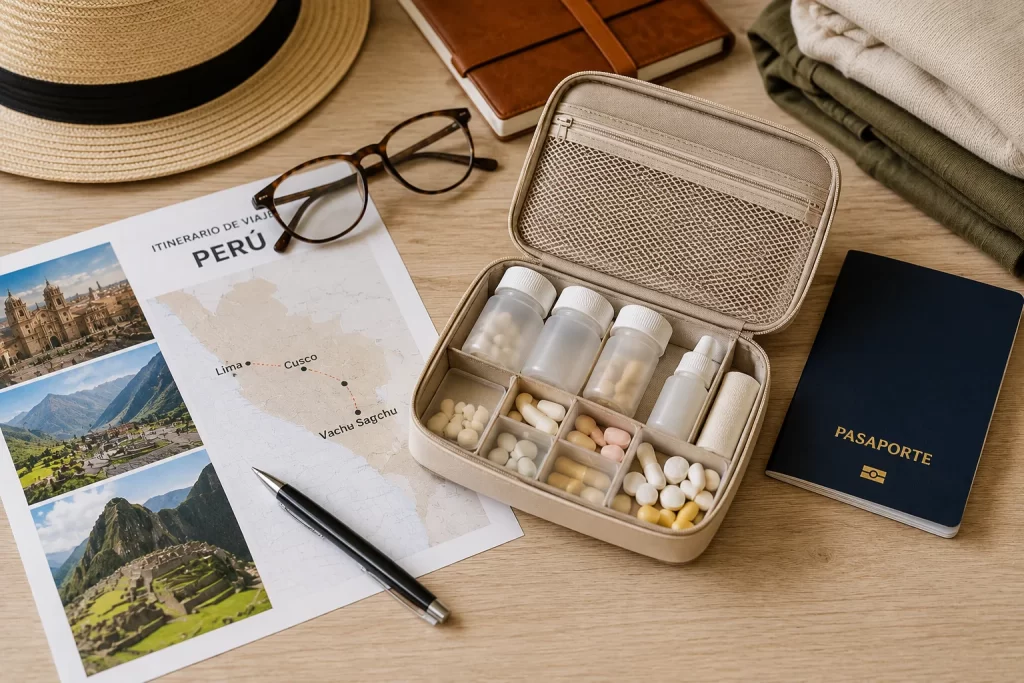
4. Keep the medication always accessible: It has enough medication for the entire trip and an additional amount in case of delays. Important medications must remain in carry-on luggage and follow the instructions of the healthcare professional.
5. Maintain good hydration and moderate alcohol consumption: During the first few days, prioritize hydration and avoid excessive alcohol consumption, Especially while the organism adapts to the altitude.
6. Inform beforehand to the guide and the agency: Communicate any need related to the pace of walking, breaks or mobility to properly organize schedules, transfers, and services.
7. Reduce efforts that are not part of the experience: Good logistics can help avoid unnecessary hiking, carrying heavy luggage, or making hasty connections. Coordinated transfers, suitable schedules, and efficient baggage handling They help reserve energy for really important visits.
Medications for soroche: don't turn other people's experiences into a prescription
Preventive medications for altitude sickness do exist, but Its convenience depends on the medical history and the travel plan. This becomes even more important if the person is already using cardiovascular medications.
Treatment should not be started, stopped, or modified based on recommendations from other travelers. The healthcare professional must assess indications, contraindications, and interactions.
Symptoms that should not normalize
Acute mountain sickness can occur with headache, fatigue, lack of appetite, nausea or vomiting. The CDC warns that Impairment in rest, confusion, loss of coordination, marked lack of breath, weakness or coughing They can indicate serious conditions that require monitoring and attention.
In a person with cardiovascular history, symptoms such as chest pain, fainting, or significant breathing difficulty Nor should they be automatically attributed to the «soroche».
Security block
PEARL IN THE CHEST · DEBILTY · CONFUSION · LOSS OF COORDINATION · SIGNIFICANT DIFFICULTY BREATHING · RAPID DETERIORATION → seek medical attention.
And the elderly?
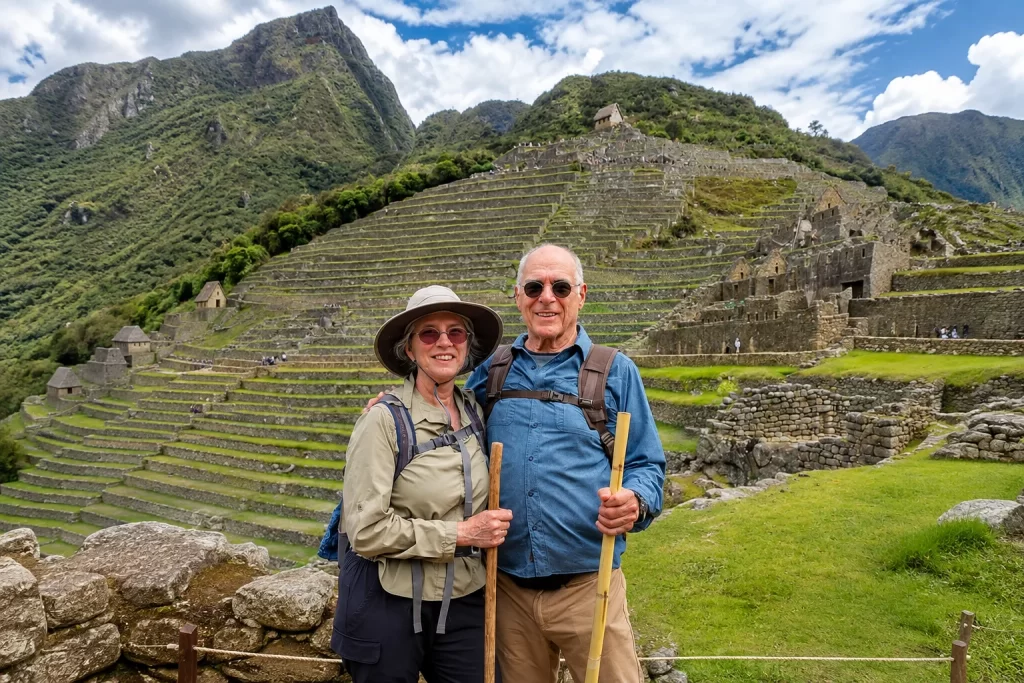
Age alone It does not define the ability to visit Machu Picchu. It is more useful to know the usual mobility, tolerance to stairs, need for breaks, level of daily activity and existing medical conditions.
In practice, An active older traveler can perform better than a younger person with little tolerance for effort.. Therefore, an agency should ask about functional needs without imposing limitations solely based on age.
So, is Machu Picchu safe for someone with heart problems?
There is no universal answer. Some people with stable cardiovascular conditions may be allowed to travel; others will need to modify their activities, avoid certain altitudes, or postpone the trip.
An agency should not declare that a passenger is medically fit. Their responsibility is another: to listen to the instructions set by the healthcare professional and to organize the tour to avoid unnecessary logistical requirements.
This can translate into more time for adaptation, fewer activities per day, private services, convenient schedules, reduced hiking, or elimination of high-demand excursions.
What our customers say
EXCELENTE

A base de 109 reseñas

Publicado en Tripadvisor 

Leni C
Verificada The best visit of my life
I am very satisfied with my trip to Machu Picchu with the Andean agency. I highly highlight their organization and their availability at all times, always attentive to any inquiry and mindful that everything goes well. The view of Machu Picchu is something that will not be erased from my mind; it is incredible. I recommend them totally; thank you very much for your work.
Publicado en Tripadvisor

Kathi C
Verificada I LOVED GOING WITH ANDEAN ✨👌🏻
I loved the experience; I saw the wonder in the best way, everything was safe, beautiful, and without complications. I would travel with Andean again without hesitation, because they supported me from the beginning and literally did everything for me so that I would enjoy it; I loved the experience to the fullest. I am very grateful for the lovely treatment and for looking after me at all times. I highly recommend them! 🥹✨
Publicado en Tripadvisor

Cruiser09205465266
Verificada Experience in Machu Picchu
It was a magical experience to visit Machu Picchu, we were enchanted by the wonder, the guide was very attentive and kind, he had patience and explained to us in detail about Machu Picchu. I liked the logistics and they were attentive to us
Publicado en Tripadvisor
Cruiser09205465266
Verificada Incredible days.
I went with my partner for my birthday, I had a very nice time, in the city and the places we visited everything was very incredible, I will definitely return to Cusco again.
Publicado en Tripadvisor

GEDY C
Verificada Good Experience!!
Excellent experience on the City Tour. Everything was very well organized, from the pickup to the tour of the main attractions. The guide was very kind, attentive, and explained each place clearly and interestingly. We enjoyed the tour a lot and saw incredible places in the city. Without a doubt, a highly recommended experience for those visiting Cusco. We would hire the service again!
Publicado en Tripadvisor

YOSELYN MILAGRO... C
Verificada Excellent experience discovering the history and culture of Cusco.
I did the Cusco City Tour with the Andean Peru Exploor agency and I had an excellent experience. The tour was very interesting, I was able to get to know the main historical and cultural attractions of Cusco, and enjoy its incredible landscapes. It was an excellent way to learn more about Inca history and culture. I recommend this experience to those who visit Cusco and want to discover its most emblematic places.
Publicado en Tripadvisor
GEDY C
Verificada An unforgettable experience at Machu Picchu
We had a very good experience on our private tour to Machu Picchu. From the beginning they were attentive to us and everything was well coordinated. The guide was very kind and explained a lot to us about the history of the place. Since it was private, we were able to go more calmly and enjoy the tour at our own pace. It was a very nice experience and we would definitely hire the service again. Recommended!
Publicado en Tripadvisor

CLARISA LOPEZ
Verificada Wonderful experience.
I had a wonderful experience with Andean Peru Exploor. The tour was very nice and allowed me to learn more about the history, culture, and most iconic places in Cusco. I want to especially highlight our guide Paul, who was very kind, attentive, and professional throughout the entire visit. His explanations made the experience even more interesting and special. I totally recommend this agency to those who want to get to know Cusco and enjoy an unforgettable tour. Many thanks to Paul and the whole team for this lovely experience!
Publicado en Tripadvisor
Marcos D
Verificada Incredible experience!
I would like to share a bit of my experience with the agency Andea Peru Exploor. Throughout the entire trip, the guides were always punctual, helpful, and very competent. The agency also gave us all the necessary support and always sent the information about the tours, transfers, schedules, and meals in advance, which made our trip much easier. I was really surprised by the organization and care of the entire team. Everything worked very well and we could enjoy the tours peacefully, without needing to worry about the details. Certainly, on a next trip to Peru, I would hire Andea Peru Exploor again. We had an excellent experience and highly recommend the agency!
Publicado en Tripadvisor

Cristiane F V
Verificada Choosing this agency made a total difference in our trip
I have booked my entire trip to Peru regarding transfers and tours - from airport transfers in Lima and Cusco to tours like City. Tour through Lima, Sacred Valley, and Machu Picchu. A lot of professionalism from everyone who assisted us. Starting with all the attention and tips from Yolanda who always replied to me on WhatsApp, going through the drivers and guides. Always punctual and respecting our rhythm. We did everything in transfers and private tours. Certainly, our choice of agency contributed a lot to this trip being marked in our lives. Thanks again.
Why?
traveling
with Andean Peru Exploor?
Because we don’t just organize tours… We create experiences that connect with the soul of the traveler.
Guarantee & Trust
A legally registered company in Mincetur, Gercetur and Sunat, guaranteeing trust and formality.
Without complications
Travel without complications: from your arrival, everything is coordinated — transfers, trains, tickets, food, and hotels according to category.
Different Packages
We have different packages that adapt to your needs and in small groups for your convenience.
Adapted Services
Services tailored to you: private or shared options, designed for different styles and budgets.
Assistance
Personalized service 24/7, 365 days a year.